

Custom Transparent Film Manufacturer
Xiongxing Group is a joint-stock private enterprise specializing in manufacturing new materials. Long pursuit of the management spirit of "customer-oriented", the corporate philosophy of "Truth, Creation, Quality and Efficiency" as well as the firm spirit and courage to be the pioneer.
Why Choose Us
High-Speed Production
Our production line contains a variety of professional machines. The machines and factories produce 24 hours a day. Our production lines can cooperate to form an entire production chain.
Rich Experience
We are an experienced PVC film manufacturer, specializing in production films for more than 26 years. So far Xiongxing is divided into 3 independent corporate enterprises.
Quality Guaranteed
We have very strict QC systems to check the material quality before production and after production. We visited our main market twice per year and got feedback for improving our technology.
Wide Product Range
Our products include PVC plastic films (Embossed film, Mattress film, Clear Film, Rigid film, etc), PVC PET interior decoration film (wood grain film, cement grain, etc), plastic plasticizers, etc.
-
![DOA Dioctyl Adipate]() Add to Inquiry
Add to Inquiry -
![Normal Clear Transparent PVC Roll Film]()
Normal Clear Transparent PVC Roll Film
Add to Inquiry -
![DIOCTYL TEREPHTHALATE]() Add to Inquiry
Add to Inquiry -
![Normal Transparent PVC Crystal Film]()
Normal Transparent PVC Crystal Film
Add to Inquiry -
![Normal Clear PVC Plastic Film]() Add to Inquiry
Add to Inquiry -
![Rigid Packaging Boxes Plastic Film]()
Rigid Packaging Boxes Plastic Film
Add to Inquiry -
![PVC Rigid Film For Packaging]() Add to Inquiry
Add to Inquiry -
![Super Clear Plastic PVC Film]() Add to Inquiry
Add to Inquiry -
![Super Clear Dust Bag PVC Film]() Add to Inquiry
Add to Inquiry -
![Super Clear Cosmetic Bag Film]() Add to Inquiry
Add to Inquiry -
![Tablecloths Super Clear Plastic Film]()
Tablecloths Super Clear Plastic Film
Add to Inquiry -
![Super Clear PVC Film for Plastic Product]()
Super Clear PVC Film for Plastic Product
Add to Inquiry


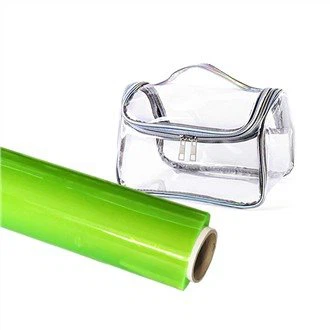
Definition of Transparent Film
Transparency film is a generic term that can describe a wide variety of clear plastic film types and materials. Depending on the requirements and restrictions of the intended application, it can demonstrate rigidity or flexibility and feature a clear, colored, translucent, opaque, matte, or glossy finish. These films are generally used by packaging industries like tags and packaging boxes, box windows, gifts and promotional industries and stationery industry for making plastic files folders. Sheets are available in various sizes in cut sheet and roll form.
Advantages of Transparent Film
Durability
PVC transparent film is highly durable, exhibiting exceptional resistance to damage due to harsh environmental conditions such as corrosive chemicals, abrasion, shock, and impact. These properties make it suitable for use in medium to long-term applications involving exposure to external environments. Besides, it does not ignite easily or produce a great deal of heat when burned.
Protective
The transparent film can act as a barrier against dust, moisture, scratches, and other environmental factors that can damage or degrade the performance of the product. For example, a transparent film coating on a window can prevent the fading and cracking of the glass due to UV exposure and temperature changes. Likewise, a transparent film layer on an optical device can prevent contamination and corrosion of the lens or mirror due to humidity and chemicals.
Flexibility
The transparent film can be easily applied to curved or irregular surfaces, such as domes, spheres, or cylinders, without compromising its optical properties. This can enable new designs and functionalities for products that require complex geometries or aesthetics. For example, a transparent film coating on a dome can create a seamless and immersive projection system for entertainment or education. Similarly, a transparent film layer on a sphere can create a holographic display that can be viewed from any angle.
Types of Transparent Film
Super Clear Film
This film has the highest transparency and clarity among all the films we offer. It is ideal for applications that require a clear view of the contents, such as window displays, labels, stickers, or protective covers. It is also durable, scratch-resistant, and easy to apply and remove.
Normal Clear Film
This film is a standard transparent film that can be used for general purposes. It has good transparency and clarity, but not as high as the super clear film. It is suitable for applications that do not require a very clear view of the contents, such as wrapping, packaging, or laminating.
Furniture Packaging Film
This film is specially designed for furniture packaging. It has a high tensile strength and puncture resistance, which can protect your furniture from damage during transportation or storage. It also has a smooth surface and a glossy finish, which can enhance the appearance of your furniture.
Static Film
This film is a self-adhesive film that does not use any glue or adhesive. It uses static electricity to stick to smooth surfaces, such as glass, metal, or plastic. It is easy to apply and remove, and it does not leave any residue or marks. It can be used for temporary or permanent applications, such as decoration, privacy, or security.
Rigid Film
This film is a rigid and thick film that can provide extra strength and stability. It can be used for applications that require a rigid support or structure, such as signs, boards, panels, or displays. It can also be cut, bent, or shaped into various forms and sizes.
Materials of Transparent Film
Our transparent films are mainly made of PVC material. Polyvinyl chloride (PVC) is a versatile and durable plastic material that can be used for various applications, including transparent film. PVC film is a thin sheet of plastic that can be clear or colored, rigid or flexible, and have different properties such as UV resistance, anti-static, anti-fog, etc.

Properties
Density: PVC is very dense compared to most plastics (specific gravity around 1.4)
Economics: PVC is readily available and cheap.
Hardness: Rigid PVC ranks well for hardness and durability.
Strength: Rigid PVC has excellent tensile strength.
Advantages
Polyvinyl Chloride is readily available and relatively inexpensive.
Polyvinyl Chloride is very dense and thus very hard and resists impact deformation very well relative to other plastics.
Polyvinyl Chloride has outstanding tensile strength.
Polyvinyl Chloride is very resistant to chemicals and alkalis.

Application of Transparent Film
Waterproof Enclosures and Products
The exceptional durability and water resistance of PVC transparent film make it an excellent material for outdoor and indoor waterproof enclosures and products, such as canopies, tents, and shower curtains.
Furniture and Supply Covers
Transparent film is an excellent product for the fabrication of furniture covers and protective products such as food delivery bags and imitation leather. Covers and products made with PVC film are weatherproof, easy to maintain, and can be laminated for additional protection.
Windows and Siding
PVC’s insulating and heat resistant properties, coupled with its durability, make PVC transparent film an ideal option for use in window covers and siding.
Packaging Materials
Industry professionals use both rigid and flexible PVC transparent film to manufacture packaging materials. For example, flexible film can be used to create tamper-resistant seals for products such as consumer goods, food and beverages, and pharmaceuticals, while rigid film is suitable for packaging materials such as clamshells.
Craftsmanship of Transparent Film
Calendered
In order to produce calendered PVC film, a PVC powder and a liquid softener are mixed in a fine mill. The powder is then extruded, resulting in a homogeneous mass known as a melt. The process is carried out using two counter rotating rolls which are heated to approximately 350 degrees Fahrenheit. The melt is then drawn into the gap between the mill rolls and flattens out under pressure. In order to enhance the gloss of a calendered PVC film, changes can be made in the composition of the resin used. Lower molecular weight vinyl resins produce higher gloss levels, but they lose some tensile strength. To improve the gloss of the film, it is sometimes mixed with a small percentage of organopolysiloxane. Other options include copolymers of methacrylic acid and acrylic acid. These resins increase the cost of finished films.
Cast
Among the many advantages of PVC film is its versatility. This material can be molded into any shape, and it is particularly suitable for thermoforming. The process allows for different levels of flexibility and firmness, and does not change the general makeup of the material. As a result, it is a great choice for many applications, from packaging to window film. It also has numerous benefits, including dimensional stability, impact strength, and cost efficiency. Besides being a good cost-effective plastic film, PVC is also available in various finishes. The types of PVC film available in the market can meet your specific requirements. For instance, you can choose flexible PVC film for displays or rigid PVC film for medical bags. The benefits of PVC film depend on its properties and intended use. Depending on the purpose, it can be used for various purposes, such as packaging, medical bags, and packaging.
Compounding
Many plastics processors are now considering new ways to reduce costs while compounding PVC film. This new technology, known as polyvinyl chloride (PVC), can help them meet specific performance specifications. When PVC foil is produced by polymerizing oil, the material undergoes several processes that require an auxiliary agent. The auxiliary agent is a chemical compound that consists of several repeat units linked head-to-tail. The theoretical molecular weight range of PVC ranges from 30,000 to 95,000. Both the average molecular weight of the film and its distribution of molecular weight play a role in its properties. However, this chemical compound differs from the theoretical chain, due to the presence of auxiliary agents in the process. The inorganic pigments lack the colour strength of organic pigments, and the latter is carcinogenic.

Maintenance Tips for Transparent Film
Care and Attention
Transparent PVC film is very sensitive to wear and tear due to exposure to ultraviolet light and atmospheric pollution. The film will yellow over time and become brittle. The expected lifespan is greatly extended if the film is cleaned regularly and covered when not in use.
Transport and Handling
Be careful with the PVC window film roll. If the roll falls on the floor, bumps against something or comes into contact with vibrations, damage, butt or imperfections may occur.
Instructions for Cleaning
Avoid the use of corrosive chemical cleaning agents, as these can scratch the surface or damage the material. Clear PVC film should only be cleaned with a diluted solution of mild soap and warm water. Rinse with clean water and dry with a soft cloth or sponge. Do not use solvents or chemical cleaners. Do not expose the sheets to abrasive effects. Using a rough cloth may scratch the surface. It can also be scratched by normal use. Scratches cannot be removed.
Storage Requirements
Avoid exposure to direct sunlight and high temperatures during storage of the PVC window film. Storage should be between 10 and 30 degrees Celsius and should not be exposed to more than 50% relative humidity. Maximum six months after delivery, if stored under the above storage requirements.
Certifications
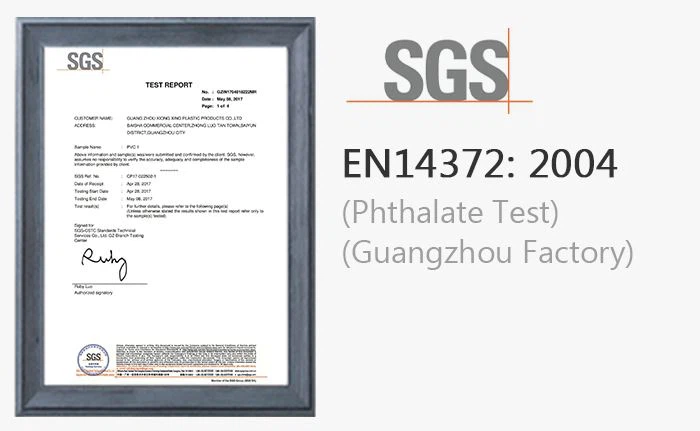
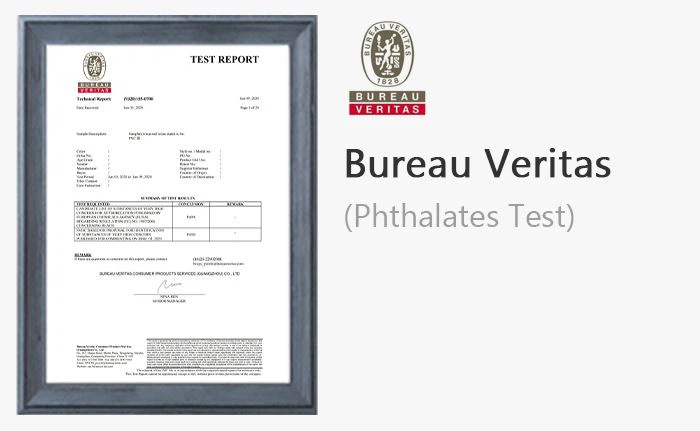
We have passed ISO9001, ISO14001, EN7 16, EN14342, SGS, etc.


Our Factory
Our factory covers an area of up to 400,000 m2 and has 37+ production lines to support large-scale production.


Frequently Asked Questions (FAQ) aboutTransparent Film
Q: Is transparent film the same as cellophane?
Q: Can transparent film be recycled?
Q: Is transparent film waterproof?
Q: How do you clean transparent film?
Q: Is transparent film suitable for outdoor use?
Q: Can transparent film be used for window tinting?
Q: What is the difference between transparent film and translucent film? Transparent film allows for clear visibility, while translucent film diffuses light, making objects behind it less distinct.
Q: Can transparent film be used for art projects?
Q: Can transparent film be used for protecting documents?
Q: Can transparent film be used for medical purposes?
Q: Is transparent film suitable for covering electronic devices?
Q: Can transparent film be heat-sealed?
Q: What is the shelf life of transparent film?
Q: How is transparent film made and what are its main components?
Q: What are the advantages and disadvantages of transparent film compared to other materials?
Q: How can transparent film be attached and detached from different surfaces?
Q: How can transparent film be cut and shaped into different forms?
Q: How does transparent film affect the visibility and appearance of objects behind it?
Q: Is plastic transparent film biodegradable?
Guangdong Xiongxing New Material Co., Ltd. is one of the leading transparent film manufacturers and suppliers in China. We warmly welcome you to wholesale high-grade transparent film in stock here from our factory. All custom made products are with high quality and competitive price. Contact us for free sample.
