

Custom Decorative Film Manufacturer
Xiongxing Group is a joint-stock private enterprise specializing in manufacturing new materials. Long pursuit of the management spirit of "customer-oriented", the corporate philosophy of "Truth, Creation, Quality and Efficiency" as well as the firm spirit and courage to be the pioneer.
Why Choose Us
High-Speed Production
Our production line contains a variety of professional machines. The machines and factories produce 24 hours a day. Our production lines can cooperate to form an entire production chain.
Rich Experience
We are an experienced PVC film manufacturer, specializing in production films for more than 26 years. So far Xiongxing is divided into 3 independent corporate enterprises.
Quality Guaranteed
We have very strict QC systems to check the material quality before production and after production. We visited our main market twice per year and got feedback for improving our technology.
Wide Product Range
Our products include PVC plastic films (Embossed film, Mattress film, Clear Film, Rigid film, etc), PVC PET interior decoration film (wood grain film, cement grain, etc), plastic plasticizers, etc.
-
![DOTP 6422-86-2 Plasticizer]() Add to Inquiry
Add to Inquiry -
![DOTP Plasticizer Oil Tank]() Add to Inquiry
Add to Inquiry -
![DOTP Cable Plasticizer]() Add to Inquiry
Add to Inquiry -
![DOTP Wire Plasticizer]() Add to Inquiry
Add to Inquiry -
![DOTP Leather Plasticizer]() Add to Inquiry
Add to Inquiry -
![DOTP Synthetic Rubber Plasticizer]()
DOTP Synthetic Rubber Plasticizer
Add to Inquiry
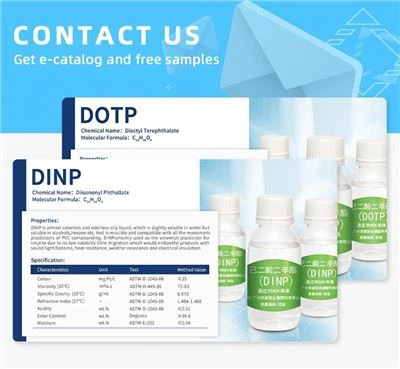
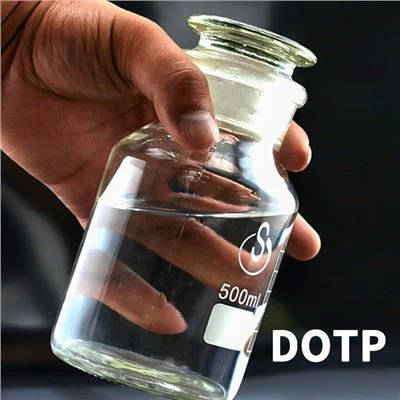
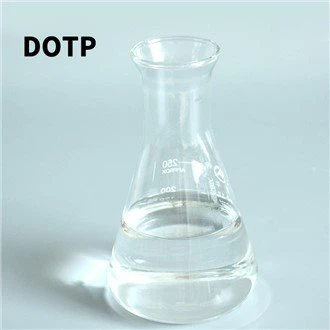
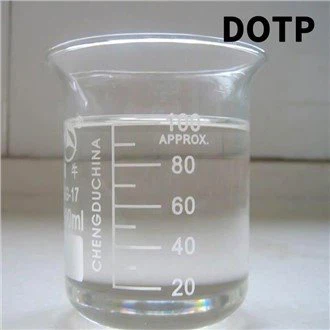


Definition of DOTP
DOTP is a non-phthalate plasticizer, being the diester of terephthalic acid and the branched-chain 2-ethylhexanol, which is often generically referred to as octyl. This colorless viscous liquid is used for softening PVC plastics and is known for chemical similarity to general purpose phthalates such as DEHP and DINP, but without any negative regulatory pressure. It possesses very good plasticizing properties and may be used as a direct replacement for DEHP and DINP in many applications.
Specification
| Characteristics | Unit | Test | Method Value |
| Specific Gravity | g/cm³ | ASTM-D-1045-86 | 0.980~0.985 |
| Heat Stability | Wt.% | ASTM-D-1045-86 | ≤0.10 |
| Colour | Pt-Co | ASTM-D-1045-86 | ≤20 |
| Ester Content | Wt.% | ≥99.0 | |
| Acidity | Wt.% | ISI-9591-96 | ≤0.015 |
| Flash Point | ℃ | KLJTM | 200 |
| Volume Resistivity | Ω.cm | KLJTM | 1×10¹² |
Features of DOTP

Stable
Plastisol viscosity is more stable and can't change for lots of days. Depending on this it gives uniform thicker products.
Low Migration
It has a different structure than phthalic-based plasticizers. As a result of this, migration is lower. The materials, which are made with DOTP, are more resistant. Because of lower migration, materials can't stick to the lactic surface.
Flexibility
Cause of its linear structure, it has better low-temperature flexibility. This decreases plastics' fragility at lower temperatures. Cause of DOTP's lower volatility, you can use DOTP instead of DINP and DIDP.
Safe
DOTP is a general-purpose plasticizer considered safer than ortho-phthalate plasticizers due to its excellent toxicological profile. It has uses in applications like extrusion, calendaring, injection molding, rotational molding, dip molding, slush molding, and coating.
Applications of DOTP

Flexible PVC Products
Dioctyl terephthalate (DOTP) is primarily used as a plasticizer for PVC, and as a replacement for ortho-phthalates in a wide range of applications. These include films, sheets, cables, and flooring materials. It imparts flexibility, durability, and resistance to heat and weathering to PVC.

Automotive Interiors
In the automotive industry, DOTP is utilized as a plasticizer for PVC-based materials used in vehicle interiors. This includes the manufacturing of car seat covers, dashboards, and other flexible components.

Wire and Cable Insulation
DOTP is commonly employed in the production of PVC-based wire and cable insulation. Its flexibility and thermal stability make it suitable for applications where these properties are crucial, such as in electrical wiring.

Medical Devices
DOTP is used in the production of medical devices made from flexible PVC, ensuring that the materials meet the necessary flexibility and safety requirements for medical applications.

Toys and Recreational Products
Flexible PVC formulations with DOTP find use in the manufacturing of toys, inflatables, and other recreational products. It helps provide the desired flexibility and durability for these items.

Packaging Films
DOTP is employed in the production of flexible PVC films used for packaging applications. These films benefit from the plasticizing properties of DOTP, allowing for easier processing and improved film properties.

Industrial Applications
DOTP is utilized in various industrial applications where a flexible and durable PVC material is required, such as in conveyor belts, gaskets, and hoses.

Textiles
In the textile industry, DOTP can be used as a plasticizer for PVC-coated fabrics, ensuring flexibility and durability in applications like tarpaulins and banners.
Production of DOTP
DOTP can be produced by two main methods: transesterification of dimethyl terephthalate (DMT) with 2-ethylhexanol, or direct esterification of terephthalic acid with 2-ethylhexanol. DMT is a white solid that is derived from terephthalic acid, which in turn is obtained by the oxidation of p-xylene. 2-ethylhexanol is a branched-chain alcohol that is often referred to as octyl.
►The chemical reaction for the transesterification of DMT with 2-ethylhexanol is:
C6H4(CO2CH3)2 + 2 C8H17OH -> C6H4(CO2C8H17)2 + 2 CH3OH
►The chemical reaction for the direct esterification of terephthalic acid with 2-ethylhexanol is:
C6H4(CO2H)2 + 2 C8H17OH -> C6H4(CO2C8H17)2 + 2 H2O
Storage Tips for DOTP
Dioctyl terephthalate (DOTP) should be stored in tightly-closed containers in a cool, dry place away from naked flames and oxidizing agents.
It is not classified as dangerous and can be expected to remain stable under normal storage and usage conditions.
This material should be handled in accordance with industry practices. Appropriate precautions including engineering controls and personal protective equipment should be observed.
The product may cause skin irritation if contact is repeated or prolonged, as well as slight eye irritation, particularly in susceptible individuals.
Risks from inhalation of vapour or mist are low due to the material’s low vapour pressure and high viscosity.
Certifications
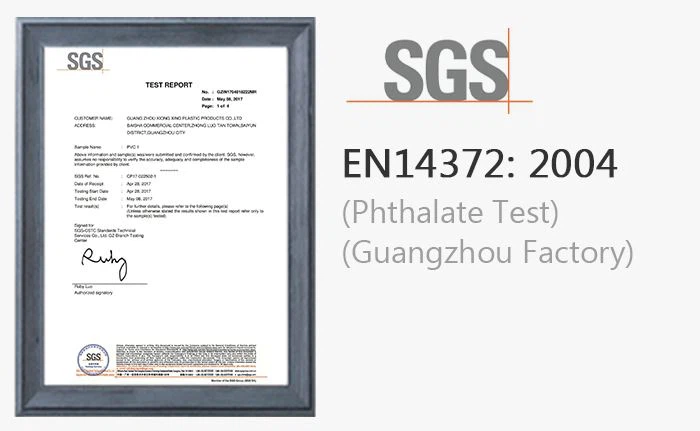
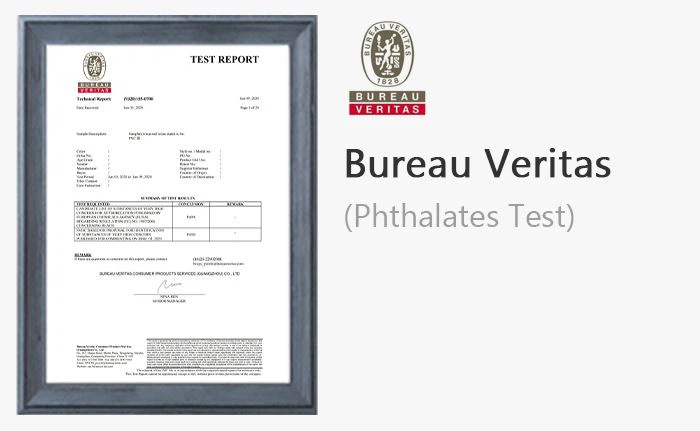
We have passed ISO9001, ISO14001, EN7 16, EN14342, SGS, etc.


Our Factory
Our factory covers an area of up to 400,000 m2 and has 37+ production lines to support large-scale production.


Frequently Asked Questions (FAQ) about DOTP
Q: What are the advantages of DOTP over other plasticizers?
Q: Can DOTP be produced from renewable resources?
Q: Is DOTP biodegradable?
Q: Is DOTP safe for use in food packaging?
Q: Is DOTP safe for use in medical devices?
Q: Is DOTP safe for use in toys?
Q: What is the toxicity of DOTP?
Q: What is the proper storage condition for DOTP?
Q: What is the molecular formula of DOTP?
Q: What is the molecular weight of DOTP?
Q: What is the boiling point of DOTP?
Q: What is the freezing point of DOTP?
Q: How is DOTP used in PVC formulations?
Q: What is the compatibility of DOTP with other plasticizers?
Q: What is the migration of DOTP from PVC?
Q: What is the plasticization efficiency of DOTP?
Q: How does DOTP affect the mechanical properties of PVC?
Q: How does DOTP affect the thermal stability of PVC?
Q: Is DOTP phthalate free?
Q: What is the shelf life of DOTP?
Guangdong Xiongxing New Material Co., Ltd. is one of the leading dotp manufacturers and suppliers in China. We warmly welcome you to wholesale high-grade dotp in stock here from our factory. All custom made products are with high quality and competitive price. Contact us for free sample.
Di 2 ethylhexyl Plasticizer Oil, Di 2 ethylhexyl terephthalate, Plasticizer Oil