

Custom Decorative Film Manufacturer
Xiongxing Group is a joint-stock private enterprise specializing in manufacturing new materials. Long pursuit of the management spirit of "customer-oriented", the corporate philosophy of "Truth, Creation, Quality and Efficiency" as well as the firm spirit and courage to be the pioneer.
Why Choose Us
High-Speed Production
Our production line contains a variety of professional machines. The machines and factories produce 24 hours a day. Our production lines can cooperate to form an entire production chain.
Rich Experience
We are an experienced PVC film manufacturer, specializing in production films for more than 26 years. So far Xiongxing is divided into 3 independent corporate enterprises.
Quality Guaranteed
We have very strict QC systems to check the material quality before production and after production. We visited our main market twice per year and got feedback for improving our technology.
Wide Product Range
Our products include PVC plastic films (Embossed film, Mattress film, Clear Film, Rigid film, etc), PVC PET interior decoration film (wood grain film, cement grain, etc), plastic plasticizers, etc.
-
![Floor Wear Layer Plastic Film]() Add to Inquiry
Add to Inquiry -
![Ultra Resistant Wear Resistant Layer]()
Ultra Resistant Wear Resistant Layer
Add to Inquiry -
![Blue Stationery PVC Film]() Add to Inquiry
Add to Inquiry -
![Plastic Stationery Embossed Film]()
Plastic Stationery Embossed Film
Add to Inquiry -
![Soft Tablecloth PVC Film]() Add to Inquiry
Add to Inquiry -
![Embossed Tablecloth Film]() Add to Inquiry
Add to Inquiry -
![Translucent Emboss PVC Film]() Add to Inquiry
Add to Inquiry -
![Carbon Fiber PVC Film]() Add to Inquiry
Add to Inquiry -
![Carbon Fiber Plastic Film]() Add to Inquiry
Add to Inquiry -
![PVC Frost Film]() Add to Inquiry
Add to Inquiry -
![PVC Window Film]() Add to Inquiry
Add to Inquiry -
![Clothes Packing Bag Film]() Add to Inquiry
Add to Inquiry


Definition of Embossed Film
Embossed films generally require reprocessing, including stationery film, tablecloth film, advertising film, clear embossed film, and wear-resistant layers of wooden floors. The films consist of polyolefins and a special surface texture (Embossing). The different embossed structures and special formulations allow optimal adhesion control of the film on to various substrates and allow either increasing or minimizing the release properties. We can produce embossed films of various thicknesses and textures.
Advantages of Embossed Film

Easy to Remove
Embossed film has a low adhesion to sticky substrates, such as rubber or glue, thanks to its special surface texture. The embossing reduces the contact area between the film and the substrate, trapping air and facilitating the removal of the film. This is especially useful for release films, which are used as liners or protective layers for various products.

High Stiffness
TEmbossed film has a higher rigidity than smooth film, which makes it more resistant to deformation and tearing. This is important for applications that require dimensional stability and durability, such as flooring wear layers and furniture components.

Tailor-Made
Embossed film can be customized according to your specific needs and preferences. You can choose from a wide range of structures, colors, widths, and thicknesses for your embossed film, depending on the desired appearance and performance. You can also opt for biodegradable or recycled materials for your embossed film, which are more environmentally friendly and sustainable.

Increased Durability and Strength
The embossing process can strengthen the film, making it more durable and resistant to tearing, punctures, and other damage. The textured surface of embossed film can provide slip resistance, making it ideal for use in applications where a non-slip surface is required.
Types of Embossed Film
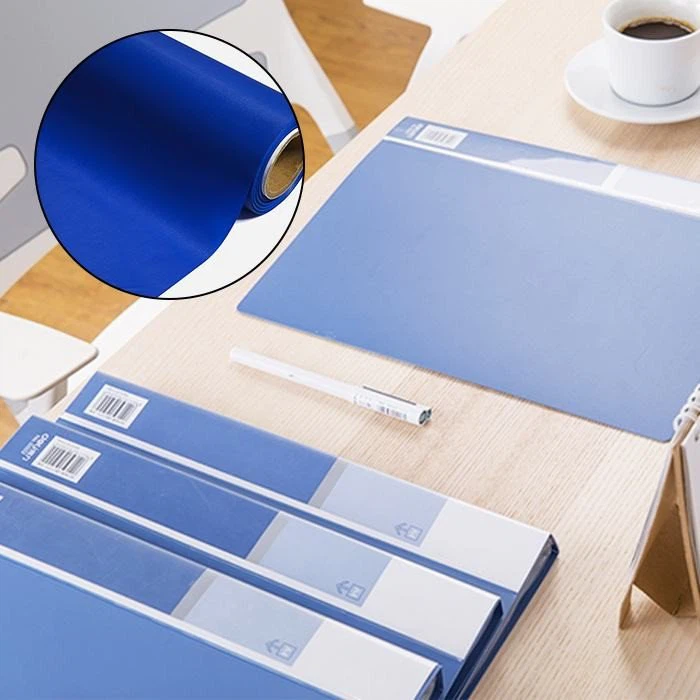
This is a type of PVC film that is used to make folders, binders, covers, and other stationery products. Stationery film can have different colors, patterns, and finishes to suit different preferences and needs. Stationery film can protect the documents and papers from dust, moisture, and damage, as well as enhance the appearance and quality of the stationery products.
This is a type of PVC film that is used to make tablecloths, placemats, runners, and other table accessories. Tablecloth film can have various designs, such as floral, geometric, or abstract, to match different styles and occasions. Tablecloth film can also have different textures, such as smooth, matte, or embossed, to create different effects. Tablecloth film can protect the table surface from stains, spills, and scratches, as well as add beauty and elegance to the dining environment.
This is a type of PVC film that is used to make banners, posters, signs, decals, and other advertising materials. Advertising film can have high-resolution printing, vivid colors, and clear images to attract attention and convey messages. Advertising film can also have different features, such as self-adhesive, removable, or reflective, to suit different needs and situations. Advertising film can withstand outdoor weather conditions, such as sunlight, rain, and wind, and maintain its quality and durability for a long time.
This is a type of PVC film that is used to make window films, shower curtains, glass stickers, and other decorative products. Clear embossed film has a transparent base with raised patterns or designs on the surface. Clear embossed film can create a 3D effect and a sense of depth when applied to a flat surface. Clear embossed film can also filter the light and create different moods and atmospheres. Clear embossed film can provide privacy and security while allowing natural light to enter.
This is a type of PVC film that is used to make the top layer of laminate flooring or engineered wood flooring. Wear-resistant layers of wooden floors have a realistic wood grain or stone texture on the surface that mimics the natural materials. Wear-resistant layers of wooden floors also have a protective coating that resists abrasion, scratches, stains, and fading. Wear-resistant layers of wooden floors can enhance the appearance and performance of the flooring products and extend their lifespan.
Applications of Embossed Film

Rubber Industry
Embossed film is used as a release film for rubber products, such as hoses, belts, gaskets, seals, and mats. The film prevents the rubber from sticking to the mold or other surfaces during the curing process, ensuring a smooth and uniform finish.

Tire Industry
Embossed film is used as a release film for tire retreading, which is a process of repairing worn tires by applying new rubber tread. The film protects the new tread from contamination and damage during the vulcanization process, improving the quality and safety of the retreaded tires.

Composites Industry
Embossed film is used as a release film for composite materials, such as fiberglass, carbon fiber, or resin. The film prevents the composite from adhering to the mold or tool during the curing process, allowing for easy demolding and reducing defects.
Glass Industry
Embossed film is used as a protective film for glass products, such as windows, doors, mirrors, or screens. The film protects the glass from scratches, dust, moisture, or fingerprints during transportation or installation, preserving its clarity and appearance.

Automotive Industry
Embossed film is used as a decorative film for automotive parts, such as dashboards, door panels, consoles, or seats. The film adds texture and color to the parts, enhancing their aesthetic appeal and comfort.

Self-Adhesive Products Industry
Embossed film is used as a backing film for self-adhesive products, such as stickers, labels, decals, or tapes. The film provides support and stability to the adhesive layer, making it easier to peel off and apply.
Diamond Pattern (Line Embossing)
This is an embossed film with a diamond pattern (diamond shape) processed with lines. Since it is embossed with lines, the surface is relatively flat, which is a feature of this type of embossing and is often used.
Diamond Pattern (Uneven Embossing)
This film is not embossed with lines, but with a diamond pattern on the surface, and is characterized by its unevenness. Therefore, it is used for applications requiring high elasticity.
Silk-Eye Pattern
This processing method is characterized by very small unevenness compared to concavo-convex embossing. It is said to have superior aesthetic appeal and elasticity.
Hemp Pattern
The hemp grain pattern is an embossing process with a random array of rounded bumps and unevenness, and is often seen in daily life.
Nashiji Pattern
Nashiji pattern is an embossed pattern with a very fine pattern that cannot be seen with the naked eye. It has a similar feel to frosted glass and gives a luxurious finish.
Maintenance Tips for Embossed Film
Store Embossed Film in a Cool, Dry, and Dark Place
Avoid exposure to direct sunlight, heat, moisture, or dust. These factors can damage the film's surface, color, or adhesive properties.
Handle Embossed Film with Care
Use gloves or soft cloth to avoid scratching, denting, or tearing the film. Do not fold, crease, or bend the film excessively. Do not apply excessive pressure or weight on the film.
Clean Embossed Film Regularly
Use a mild detergent and water solution to gently wipe the film's surface with a soft cloth or sponge. Do not use abrasive cleaners, solvents, or chemicals that can harm the film's material or texture. Rinse the film with clean water and dry it with a soft towel or air blower.
Repair Embossed Film If Needed
If the film gets damaged, such as by cuts, holes, or peeling, you can try to fix it with a suitable adhesive tape or glue. Make sure the tape or glue matches the color and texture of the film. Apply the tape or glue carefully and smoothly over the damaged area. Press firmly and let it dry completely.
Certifications
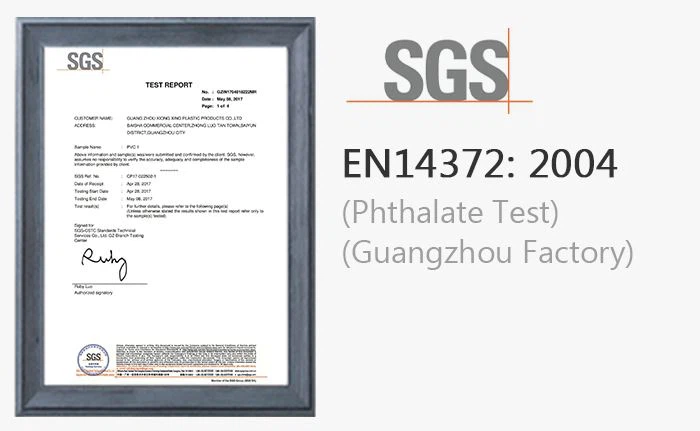
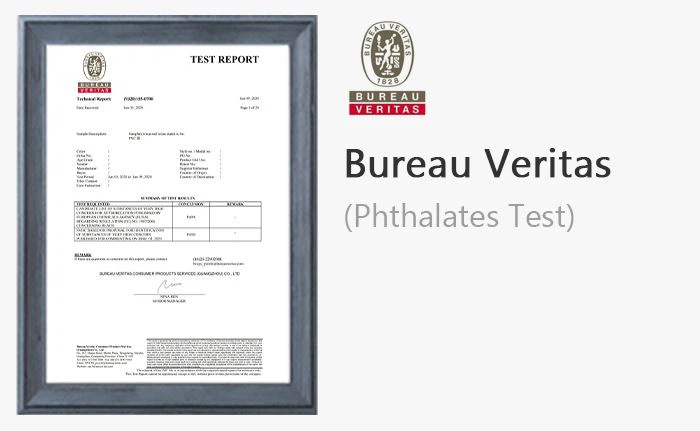
We have passed ISO9001, ISO14001, EN7 16, EN14342, SGS, etc.


Our Factory
Our factory covers an area of up to 400,000 m2 and has 37+ production lines to support large-scale production.


Frequently Asked Questions (FAQ) about Embossed Film
Q: What is the difference between embossed and non embossed?
Q: How does the embossing process work?
Q: What is the difference between single embossed film and double embossed film?
Q: Can embossed film be customized?
Q: What is the shelf life of embossed film?
Q: What are the differences between embossed film and grid film?
Q: Does embossed film have any special handling requirements?
Q: What is the difference between embossed film and textured film?
Q: How does embossed film enhance packaging?
Q: Can embossed film be used for food packaging?
Q: Can embossed film be used for medical packaging?
Q: What colors are available for embossed film?
Q: What printing methods are compatible with embossed film?
Flexographic printing, commonly used in packaging, can be suitable for embossed films. The raised patterns may affect the printing process, so adjustments may be necessary.
Gravure printing, which uses engraved cylinders, is often compatible with embossed films. The precision of gravure printing can work well with the textured surface of embossed film.
Screen printing is a versatile method that can be adapted for use with embossed films. The raised patterns may require adjustments to achieve the desired print quality.
Offset printing, while typically used on flat surfaces, can be adapted for certain embossed films. The compatibility depends on the depth and nature of the embossing.
Certain types of embossed films may be compatible with digital printing technologies. However, the texture of the film may impact the print resolution and quality.
Q: How does embossed film compare to other packaging materials in terms of cost?
Q: Can embossed film be used for non-packaging applications?
Guangdong Xiongxing New Material Co., Ltd. is one of the leading embossed film manufacturers and suppliers in China. We warmly welcome you to wholesale high-grade embossed film in stock here from our factory. All custom made products are with high quality and competitive price. Contact us for free sample.
