

Can plastic foil be used for insulation?
Jan 20, 2026
Plastic foil is a versatile material with a wide range of applications, from packaging to decoration. As a supplier of various plastic foils, one question I often encounter from our clients is: Can plastic foil be used for insulation? In this blog post, I'll explore the scientific principles behind insulation, the properties of plastic foil in relation to insulation, and real - world applications of plastic foil as an insulating material.
Understanding Insulation
Insulation serves as a barrier that resists the transfer of heat, electricity, or sound. In the context of thermal insulation, the goal is to reduce the flow of heat between two areas with different temperatures. This is typically achieved by using materials that have low thermal conductivity.
Thermal conductivity (k) is a measure of how easily a material can conduct heat. It is defined as the rate of heat transfer through a unit area of a material per unit thickness per unit temperature difference. Materials with low k - values are good insulators because they impede the flow of heat. For example, air has a relatively low thermal conductivity of about 0.026 W/(m·K) at room temperature, which is why many insulating materials incorporate air pockets.
Properties of Plastic Foil Relevant to Insulation
Plastic foils come in different types, including polyethylene (PE), polypropylene (PP), polyvinyl chloride (PVC), and others. Each type has its own set of properties that can affect its insulating capabilities.
Thermal Conductivity
The thermal conductivity of plastic foils varies depending on the type of plastic. Generally, plastics have relatively low thermal conductivities compared to metals. For example, polyethylene has a thermal conductivity of about 0.33 W/(m·K), which is much lower than that of metals like aluminum (about 205 W/(m·K)). This low thermal conductivity means that plastic foil can act as a thermal barrier to some extent.
Air Entrapment
Many plastic foils have a thin structure, but when they are used in a layered or bubble - wrapped form, they can trap air. As mentioned earlier, air is a good insulator. Bubble - wrap plastic, for instance, has air - filled bubbles that significantly enhance its insulating properties. The trapped air provides an additional layer of low - conductivity material, reducing the overall heat transfer through the plastic foil.
Reflectivity
Some plastic foils are designed to be highly reflective. Reflective plastic foils can reflect a significant portion of radiant heat. This property makes them useful in applications where radiant heat transfer needs to be minimized, such as in reflective insulation for buildings.
Real - World Applications of Plastic Foil as an Insulating Material
Packaging
In the packaging industry, plastic foil is commonly used for insulating food and other perishable items. For example, some food containers are lined with plastic foil to keep the contents warm or cold. The plastic foil helps to reduce the heat transfer between the food and the surrounding environment, maintaining the desired temperature for a longer period.
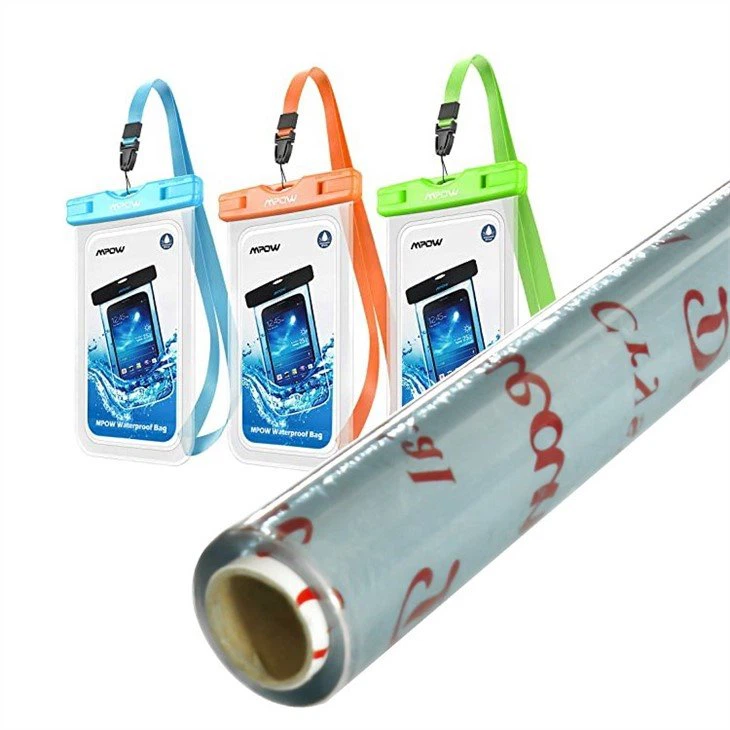
We offer a variety of high - quality plastic foils for packaging applications, such as the Super Clear Cosmetic Bag Film. This film not only provides good insulation but also has excellent transparency, which is ideal for displaying cosmetic products.
Building Insulation
Plastic foil is also used in building insulation systems. Reflective plastic foils can be installed in attics, walls, and under floors to reduce radiant heat transfer. They are often combined with other insulating materials like fiberglass or foam to create a more effective insulation barrier. For instance, a reflective plastic foil can be placed on top of fiberglass insulation in an attic to reflect the sun's radiant heat back into the atmosphere, keeping the building cooler in the summer.
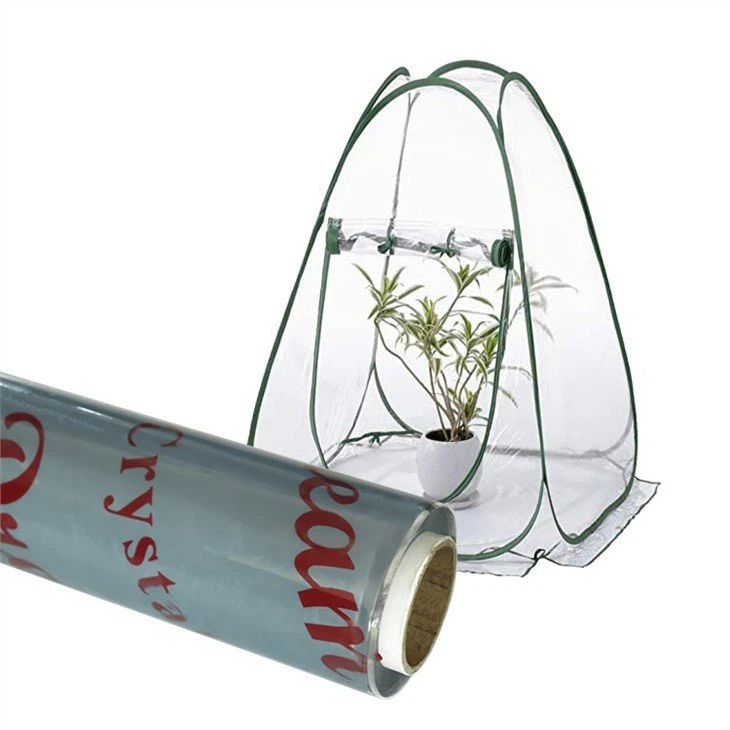
Our Super Clear PVC Film for Plastic Product is a great option for building insulation applications. It has good thermal insulation properties and is also durable, making it suitable for long - term use in buildings.
Electrical Insulation
In the electrical industry, plastic foil is widely used as an insulating material. PVC plastic foil, in particular, has excellent electrical insulation properties. It is used to insulate wires and cables, preventing the flow of electricity to the surrounding environment and reducing the risk of electrical shock and short circuits.
Our Super Clear Plastic PVC Film is a high - performance electrical insulation material. It has a high dielectric strength and low dissipation factor, which makes it suitable for use in a wide range of electrical applications.
Limitations of Plastic Foil as an Insulating Material
While plastic foil has many advantages as an insulating material, it also has some limitations.
Thickness
Most plastic foils are thin, which limits their insulating capabilities. Thicker insulating materials generally have better insulation performance because they provide a greater barrier to heat transfer. To overcome this limitation, plastic foils are often combined with other insulating materials or used in multiple layers.
Humidity and Moisture
Some plastics can be affected by humidity and moisture. Over time, exposure to moisture can degrade the plastic and reduce its insulating properties. In high - humidity environments, it is important to choose plastic foils that are resistant to moisture or to use them in combination with moisture - barrier materials.
Conclusion
In conclusion, plastic foil can indeed be used for insulation in various applications. Its low thermal conductivity, ability to trap air, and reflective properties make it a viable option for thermal, electrical, and even acoustic insulation. However, it also has limitations, such as its relatively thin thickness and susceptibility to moisture.
As a plastic foil supplier, we offer a wide range of high - quality plastic foils that are suitable for different insulation applications. Whether you need insulation for packaging, building, or electrical purposes, we have the right solution for you. If you are interested in purchasing our plastic foils for insulation or have any questions about our products, please feel free to contact us for a detailed discussion. We are committed to providing excellent products and services to meet your insulation needs.
References
- ASHRAE Handbook: Fundamentals.
- Plastic Materials Science and Engineering, Billmeyer, F. W., & Sawheny, M.