

How to choose the right plastic foil for my needs?
Jan 22, 2026
Hey there! As a plastic foil supplier, I get a ton of questions from folks like you about how to choose the right plastic foil for your specific needs. It can be a bit overwhelming with all the options out there, but don't worry – I'm here to break it down for you.
Understanding Your Needs
First things first, you've gotta figure out what you'll be using the plastic foil for. Are you wrapping food, protecting surfaces, or maybe making some cool plastic products? Each use case calls for a different type of plastic foil.

Food Wrapping
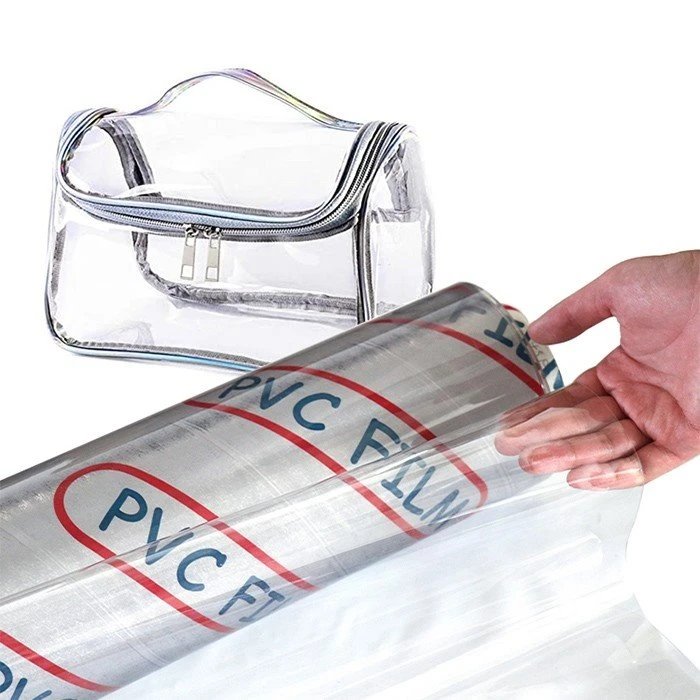
If you're in the food industry or just want to keep your leftovers fresh at home, you need a plastic foil that's food - safe. Look for foils labeled with relevant food - contact certifications. These foils are designed to be non - toxic and won't leach any harmful chemicals into your food. They also have good moisture - and oxygen - barrier properties to keep your food fresh for longer. For example, some PVC - based plastic foils are great for food wrapping because they're clear, flexible, and can adhere well to containers. You can check out our Super Clear Plastic PVC Film which is a popular choice for food - related applications.
Surface Protection
When it comes to protecting surfaces, like floors during a renovation or furniture during shipping, you need a durable and thick plastic foil. You want something that can withstand scratches, abrasions, and maybe even some spills. A high - density polyethylene (HDPE) foil is often a great option. It's tough, resistant to tearing, and can provide a long - lasting protective layer.
Plastic Products
Making plastic products? Well, that's a whole different ballgame. You'll need a plastic foil that has the right properties for your manufacturing process. For instance, if you're making clear plastic products, you'll want a foil with excellent optical clarity. Our Super Clear PVC Film for Plastic Product is ideal for this. It's super clear, which allows you to see the details of your product, and it can be easily shaped and molded to fit your design requirements.
Thickness Matters
The thickness of the plastic foil is a crucial factor. Thicker foils are generally more durable and offer better protection, but they can also be more expensive and less flexible. Thinner foils, on the other hand, are more flexible and cost - effective, but they might not be as strong.
For light - duty applications like wrapping a sandwich, a thin foil (around 0.01 - 0.02 mm) will do the job just fine. But if you're using the foil for heavy - duty purposes, such as protecting a large floor area during construction, you'll want a much thicker foil (0.1 mm or more).
Clarity and Transparency
If you need to see through the plastic foil, clarity and transparency are important. Some applications, like cosmetic product packaging, require a high - level of clarity so that customers can see the product inside. Our Super Clear Cosmetic Bag Film is specifically designed for this purpose. It has exceptional clarity, making your cosmetic products look great on the shelf.
Adhesive Properties
If you're using the plastic foil for wrapping or covering something, adhesive properties are key. Some foils come with a self - adhesive backing, which makes them easy to use and keeps them in place. However, the strength of the adhesive can vary. For temporary applications, a mild adhesive is usually sufficient. But for long - term use, you'll need a stronger adhesive that won't peel off easily.
Chemical Resistance
Depending on your application, you might need a plastic foil that's resistant to certain chemicals. For example, if you're using the foil in a laboratory or an industrial setting where it might come into contact with acids, solvents, or other chemicals, you need to choose a foil with the appropriate chemical resistance. PVC and polypropylene (PP) foils are often good choices as they have decent chemical - resistant properties.
Cost Considerations
Let's not forget about cost. You want to get the best value for your money. While it might be tempting to go for the cheapest option, remember that quality matters. A low - cost foil might not perform as well as a more expensive one, which could end up costing you more in the long run if it fails to meet your needs. It's all about finding the right balance between quality and price.
Environmental Impact
In today's world, environmental impact is a big deal. Some plastic foils are more eco - friendly than others. For example, there are biodegradable and recyclable options available. If environmental sustainability is important to you, look for foils made from recycled materials or those that can be easily recycled after use.
Making the Right Choice
Now that you know all the factors to consider, how do you actually choose the right plastic foil? Start by making a list of your requirements. Think about the application, the properties you need (like thickness, clarity, etc.), and your budget. Then, match your requirements with the different types of plastic foils available.
If you're still not sure, don't hesitate to reach out to us. As a plastic foil supplier, we've got years of experience and can offer expert advice to help you make the best choice for your needs.
In conclusion, choosing the right plastic foil doesn't have to be a headache. By understanding your needs and considering factors like thickness, clarity, adhesive properties, chemical resistance, cost, and environmental impact, you can find the perfect plastic foil for your project. And if you have any questions or want to start a procurement discussion, just drop us a line. We're here to help you every step of the way.
References
- Plastic Foil Handbook: A Guide to Different Types and Applications
- Industry Reports on Plastic Foil Manufacturing and Usage
- Research Papers on the Environmental Impact of Plastic Foils