

How to store unused vinyl film properly?
Jan 20, 2026
Proper storage of unused vinyl film is crucial to maintain its quality, integrity, and usability over time. As a vinyl film supplier, I understand the significance of providing customers with guidance on how to store their vinyl film correctly to ensure it remains in optimal condition until it's ready for use. In this blog post, I'll share some essential tips and best practices for storing unused vinyl film.
Understanding Vinyl Film Characteristics
Before delving into storage methods, it's important to understand the basic characteristics of vinyl film. Vinyl film is a flexible and durable material made from polyvinyl chloride (PVC). It comes in various thicknesses, colors, finishes, and textures, and is commonly used for a wide range of applications, including signage, vehicle wraps, wall coverings, and packaging.
Vinyl film is sensitive to environmental factors such as temperature, humidity, light, and chemicals. Exposure to extreme conditions can cause the film to degrade, warp, discolor, or lose its adhesive properties. Therefore, proper storage is essential to protect the film from these factors and extend its shelf life.
Ideal Storage Conditions
The ideal storage conditions for vinyl film are cool, dry, and dark. Here are some specific guidelines to follow:

- Temperature: The recommended storage temperature for vinyl film is between 50°F (10°C) and 80°F (27°C). Avoid storing the film in areas that are subject to extreme temperature fluctuations, such as attics, basements, or garages. High temperatures can cause the film to become soft and sticky, while low temperatures can make it brittle and difficult to work with.
- Humidity: The relative humidity should be kept between 30% and 60%. Excess humidity can cause the film to absorb moisture, leading to mold growth, delamination, or loss of adhesion. On the other hand, low humidity can cause the film to dry out and become brittle.
- Light: Vinyl film should be stored in a dark place to prevent exposure to ultraviolet (UV) light. UV light can cause the film to fade, discolor, or become brittle over time. Avoid storing the film near windows, skylights, or other sources of direct sunlight.
- Ventilation: Adequate ventilation is essential to prevent the buildup of moisture and chemicals in the storage area. Make sure the storage area is well-ventilated and free from odors, fumes, or other contaminants.
Storage Containers
Choosing the right storage containers is essential to protect the vinyl film from damage. Here are some options to consider:
- Cardboard Boxes: Cardboard boxes are a popular and cost-effective option for storing vinyl film. Make sure the boxes are clean, dry, and free from any sharp edges or debris that could damage the film. Label the boxes clearly with the type, color, and size of the film to make it easy to find what you need.
- Plastic Totes: Plastic totes are another good option for storing vinyl film. They are durable, waterproof, and easy to clean. Look for totes with tight-fitting lids to prevent dust, moisture, and pests from getting inside. You can also use dividers or shelves to organize the film and make it easier to access.
- Film Winding Reels: If you have a large quantity of vinyl film, you may want to consider using film winding reels. These reels are designed to hold the film in a tight, compact roll, which helps to prevent wrinkles, creases, and other damage. Make sure the reels are clean, dry, and free from any sharp edges or debris that could damage the film.
Handling and Transporting Vinyl Film
Proper handling and transporting of vinyl film are also important to prevent damage. Here are some tips to follow:
- Clean Hands: Always wash your hands thoroughly before handling the vinyl film to prevent the transfer of oils, dirt, or other contaminants.
- Avoid Folding or Creasing: Vinyl film is prone to folding and creasing, which can damage the film and affect its performance. When handling the film, be careful not to fold or crease it. If you need to cut the film, use a sharp blade and a straight edge to ensure a clean, smooth cut.
- Use Protective Gear: When transporting the vinyl film, use protective gear such as gloves, aprons, and eye protection to prevent injury. Make sure the film is securely packed and protected from damage during transit.
Specific Considerations for Different Types of Vinyl Film
Different types of vinyl film may have specific storage requirements. Here are some considerations for some common types of vinyl film:
- Adhesive Vinyl Film: Adhesive vinyl film is designed to stick to a surface using an adhesive backing. To prevent the adhesive from drying out or losing its stickiness, store the film in its original packaging or in a sealed container. If the film has been cut, cover the exposed edges with a protective tape to prevent the adhesive from sticking to other surfaces.
- Printable Vinyl Film: Printable vinyl film is designed to be printed on using a digital printer. To prevent the ink from smudging or fading, store the film in a cool, dry place away from direct sunlight. If the film has been printed, allow it to dry completely before storing it.
- Reflective Vinyl Film: Reflective vinyl film is designed to reflect light and enhance visibility. To prevent the reflective surface from becoming scratched or damaged, store the film in a protective sleeve or container. Avoid storing the film in direct sunlight or in areas with high humidity.
Products We Offer
At our company, we offer a wide range of high-quality vinyl films to meet the needs of our customers. Some of our popular products include:
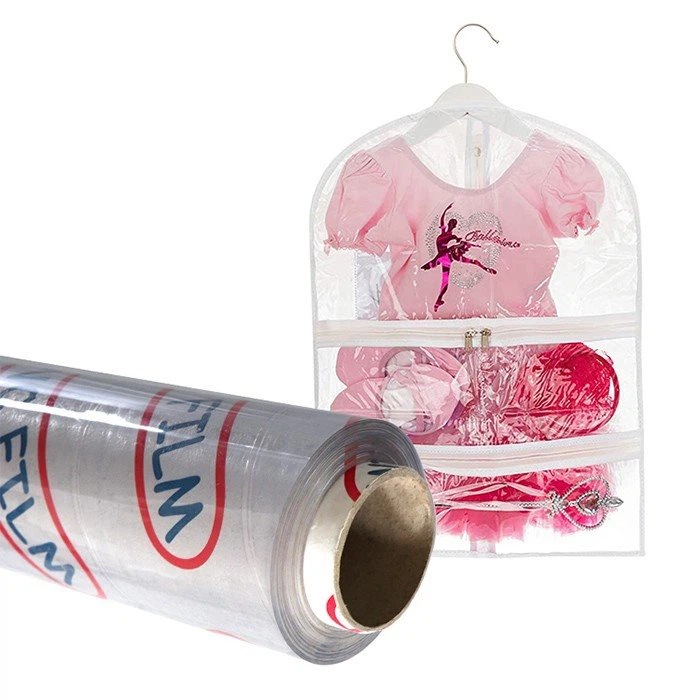
- Super Clear Dust Bag PVC Film: This film is made from high-quality PVC material and is designed for use in dust bags, packaging, and other applications. It is clear, durable, and easy to work with.
- Tablecloths Super Clear Plastic Film: This film is ideal for use as tablecloths, placemats, and other decorative applications. It is clear, scratch-resistant, and easy to clean.
- Super Clear Plastic PVC Film: This film is suitable for a wide range of applications, including signage, displays, and packaging. It is clear, flexible, and has excellent UV resistance.
Contact Us for More Information
If you have any questions about storing vinyl film or if you're interested in purchasing our products, please don't hesitate to contact us. Our team of experts is always happy to help you find the right solution for your needs. We look forward to hearing from you and working with you to achieve your goals.
References
- Vinyl Institute. (n.d.). PVC Basics. Retrieved from https://www.vinylinfo.org/
- 3M. (n.d.). Storage and Handling Guidelines for 3M™ Vinyl Films. Retrieved from https://solutions.3m.com/wps/portal/3M/en_US/Vinyl-Solutions/Resources/Technical-Literature/