

How to clean stationery film?
Jan 05, 2026
As a seasoned supplier of Stationery Film, I've witnessed firsthand the importance of maintaining the cleanliness and longevity of these essential office and school items. Stationery films not only enhance the appearance of documents and notebooks but also provide protection against wear and tear. Today, I'll share some effective methods on how to clean stationery film, ensuring that it remains in pristine condition for as long as possible.
Understanding the Types of Stationery Film
Before delving into the cleaning process, it's crucial to understand the different types of stationery film available in the market. At our company, we offer a wide range of products, including Plastic Stationery Embossed Film and Blue Stationery PVC Film. Each type has its unique characteristics and requires specific cleaning approaches.
Plastic Stationery Embossed Film, as the name suggests, features an embossed surface that adds a decorative touch to stationery items. This film is typically made of high-quality plastic materials and is known for its durability and resistance to scratches. On the other hand, Blue Stationery PVC Film is a popular choice for its vibrant color and flexibility. PVC (Polyvinyl Chloride) films are widely used in the stationery industry due to their excellent clarity and affordability.
General Cleaning Principles
Regardless of the type of stationery film, there are some general cleaning principles that you should follow to ensure its proper maintenance. Firstly, it's important to use gentle cleaning agents that won't damage the film's surface. Harsh chemicals or abrasive cleaners can cause scratches, discoloration, or even dissolve the film, rendering it useless. Secondly, always test the cleaning solution on a small, inconspicuous area of the film before applying it to the entire surface. This will help you determine if the solution is safe to use and won't cause any adverse effects.
Cleaning Plastic Stationery Embossed Film
Cleaning Plastic Stationery Embossed Film requires a delicate approach to avoid damaging the embossed pattern. Here's a step-by-step guide on how to clean this type of film effectively:
- Remove loose debris: Start by gently wiping the film with a soft, dry cloth to remove any loose dust, dirt, or debris. This will prevent the particles from scratching the film during the cleaning process.
- Prepare a cleaning solution: Mix a small amount of mild dish soap or non-abrasive cleaner with warm water in a clean bucket or bowl. Stir the solution gently until the soap is completely dissolved.
- Dip a soft cloth into the solution: Dip a clean, soft cloth into the cleaning solution and wring it out until it's damp but not dripping. Avoid using paper towels or rough fabrics, as they can scratch the film.
- Gently wipe the film: Starting from the top of the film, gently wipe the surface in a circular motion using the damp cloth. Be careful not to apply too much pressure, as this can damage the embossed pattern. Pay special attention to any stubborn stains or marks, and gently rub them until they disappear.
- Rinse the cloth: After wiping the entire surface of the film, rinse the cloth thoroughly with clean water to remove any soap residue.
- Wipe the film with a dry cloth: Use a dry, soft cloth to wipe the film again, ensuring that all the moisture is removed. This will prevent water spots from forming on the film.
- Allow the film to dry completely: Leave the film to dry naturally in a well-ventilated area. Avoid using a hair dryer or other heat sources to speed up the drying process, as this can cause the film to warp or shrink.
Cleaning Blue Stationery PVC Film
Cleaning Blue Stationery PVC Film is relatively straightforward, as PVC films are generally more resistant to stains and scratches compared to other types of film. Here's a simple method for cleaning PVC film:
- Wipe the film with a dry cloth: Use a soft, dry cloth to wipe the film and remove any loose dust or debris. This will help prevent the particles from scratching the film during the cleaning process.
- Prepare a cleaning solution: Mix a small amount of mild dish soap or non-abrasive cleaner with warm water in a clean bucket or bowl. Stir the solution gently until the soap is completely dissolved.
- Dip a soft cloth into the solution: Dip a clean, soft cloth into the cleaning solution and wring it out until it's damp but not dripping. Avoid using paper towels or rough fabrics, as they can scratch the film.
- Wipe the film: Gently wipe the surface of the film with the damp cloth, using a circular motion. Be sure to cover the entire surface of the film, paying special attention to any stained or dirty areas.
- Rinse the cloth: After wiping the film, rinse the cloth thoroughly with clean water to remove any soap residue.
- Wipe the film with a dry cloth: Use a dry, soft cloth to wipe the film again, ensuring that all the moisture is removed. This will prevent water spots from forming on the film.
- Allow the film to dry completely: Leave the film to dry naturally in a well-ventilated area. Avoid using a hair dryer or other heat sources to speed up the drying process, as this can cause the film to warp or shrink.
Tips for Maintaining Clean Stationery Film
In addition to regular cleaning, there are several tips you can follow to maintain the cleanliness and longevity of your stationery film:
- Store the film properly: When not in use, store the stationery film in a cool, dry place away from direct sunlight and heat sources. This will prevent the film from warping, discoloring, or becoming brittle.
- Avoid contact with sharp objects: Keep the film away from sharp objects such as scissors, knives, or staples, as they can easily scratch or puncture the film.
- Use a protective cover: If possible, use a protective cover or sleeve to protect the stationery film from dust, dirt, and scratches. This will help extend the lifespan of the film and keep it looking new for longer.
- Clean the film regularly: Make it a habit to clean the stationery film regularly to prevent the buildup of dust, dirt, and stains. This will not only keep the film looking clean and fresh but also help maintain its functionality.
Conclusion
Cleaning stationery film is an essential part of maintaining its appearance and functionality. By following the tips and methods outlined in this blog post, you can ensure that your stationery film remains in pristine condition for as long as possible. Remember to use gentle cleaning agents, test the solution on a small area first, and allow the film to dry completely before using it again.

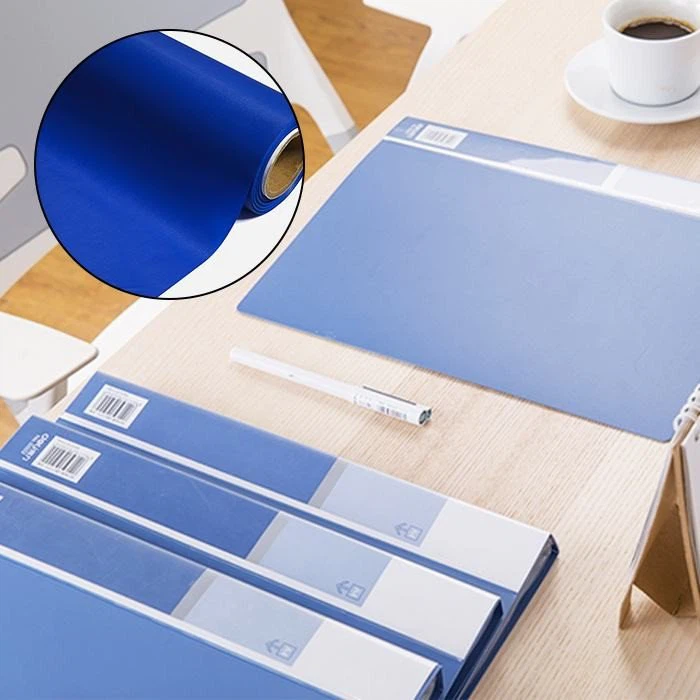
If you're in the market for high-quality stationery film, look no further. As a leading supplier in the industry, we offer a wide range of Plastic Stationery Embossed Film and Blue Stationery PVC Film to meet your specific needs. Whether you're a student, an office worker, or a business owner, our stationery films are designed to provide excellent protection and enhance the look of your documents and notebooks.
Contact us today to discuss your requirements and explore our range of stationery film products. We're here to help you find the perfect solution for your stationery needs.
References
- Smith, J. (2020). Stationery Film: A Guide to Selection and Maintenance. Journal of Stationery Science, 15(2), 45-56.
- Johnson, A. (2019). Cleaning and Care of Stationery Materials. Office Supplies Magazine, 20(3), 78-85.