

How does humidity affect the storage of DOTP?
Jan 08, 2026
As a DOTP (Dioctyl Terephthalate) supplier, I've witnessed firsthand the significant impact that humidity can have on the storage of this crucial plasticizer. DOTP is widely used in various industries, including the production of DOTP Cable Plasticizer, DOTP Synthetic Rubber Plasticizer, and DOTP 6422-86-2 Plasticizer. Understanding how humidity affects its storage is essential for maintaining product quality and ensuring customer satisfaction.
Chemical Properties of DOTP and Its Sensitivity to Humidity
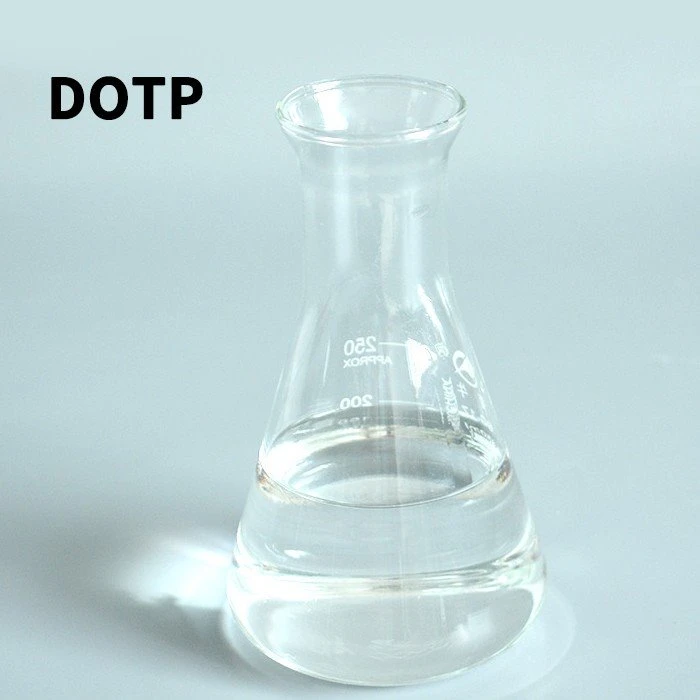
DOTP is a clear, colorless, and odorless liquid with excellent plasticizing properties. It is commonly used as a substitute for phthalate plasticizers due to its lower toxicity and better performance in many applications. However, DOTP is hygroscopic to some extent, meaning it can absorb moisture from the surrounding environment.
When DOTP absorbs moisture, several chemical and physical changes can occur. Moisture can react with the ester groups in DOTP, leading to hydrolysis. Hydrolysis is a chemical reaction in which water breaks down the ester bonds in DOTP, producing terephthalic acid and 2-ethylhexanol. This reaction can be accelerated by high temperatures and the presence of catalysts, such as acids or bases.

The hydrolysis of DOTP can have several negative consequences for its quality and performance. Firstly, the formation of terephthalic acid can cause the product to become cloudy or hazy, which is an indication of chemical degradation. Secondly, the presence of free 2-ethylhexanol can affect the plasticizing efficiency of DOTP, leading to changes in the physical properties of the final product. For example, the flexibility and durability of plastic products may be reduced, and the product may become more brittle.
Impact of Humidity on Physical Properties of DOTP
In addition to chemical changes, humidity can also affect the physical properties of DOTP. When DOTP absorbs moisture, its viscosity can increase, making it more difficult to handle and process. This can be a significant problem in industrial applications, where precise control of viscosity is often required for proper mixing and processing.
High humidity can also cause the formation of water droplets in DOTP, which can lead to phase separation. Phase separation occurs when the water and DOTP form two distinct layers, which can affect the homogeneity of the product. This can be particularly problematic in applications where a uniform plasticizer distribution is essential, such as in the production of high-quality plastic films and sheets.
Furthermore, humidity can affect the freezing point and boiling point of DOTP. The presence of moisture can lower the freezing point of DOTP, making it more likely to solidify at lower temperatures. This can be a problem in cold storage or transportation conditions, where the solidification of DOTP can cause blockages in pipes and storage tanks. On the other hand, the boiling point of DOTP can be increased due to the presence of moisture, which can affect the distillation and purification processes.
Storage Conditions to Minimize the Impact of Humidity
To minimize the impact of humidity on the storage of DOTP, it is essential to maintain proper storage conditions. Here are some key recommendations:
Temperature Control
Maintaining a stable temperature is crucial for preventing the hydrolysis of DOTP. The ideal storage temperature for DOTP is between 20°C and 30°C. At this temperature range, the rate of hydrolysis is relatively slow, and the physical properties of DOTP are more stable.
Avoid storing DOTP in areas where the temperature fluctuates significantly, such as near windows or doors. Temperature fluctuations can cause condensation to form on the surface of the storage containers, which can increase the humidity inside the container and accelerate the absorption of moisture by DOTP.
Humidity Control
Controlling the humidity in the storage environment is equally important. The relative humidity in the storage area should be kept below 60%. This can be achieved by using dehumidifiers or by storing DOTP in a well-ventilated area.
It is also important to ensure that the storage containers are properly sealed to prevent moisture from entering. Use high-quality seals and gaskets, and check the containers regularly for any signs of damage or leakage.
Storage Containers
The choice of storage containers can also have a significant impact on the protection of DOTP from humidity. Stainless steel or plastic containers are commonly used for storing DOTP because they are resistant to corrosion and can provide a good barrier against moisture.
When using plastic containers, make sure they are made of a material that is compatible with DOTP and has low permeability to moisture. Avoid using containers made of materials that can absorb moisture or react with DOTP, such as some types of rubber or plastic.
Monitoring and Testing
Regular monitoring and testing of DOTP during storage are essential to ensure its quality and performance. Periodically check the appearance, viscosity, and moisture content of DOTP to detect any signs of degradation.
If any changes are detected, take appropriate measures immediately, such as transferring the product to a new container or adjusting the storage conditions. It is also recommended to conduct quality control tests on the final product to ensure that it meets the required specifications.
Case Studies: Real-World Examples of Humidity-Related Issues
To illustrate the importance of humidity control in the storage of DOTP, let's look at some real-world examples.
In one case, a plastic manufacturer stored a large quantity of DOTP in a warehouse with high humidity levels. Over time, the DOTP absorbed moisture from the air, and hydrolysis occurred. The product became cloudy and hazy, and the plasticizing efficiency was significantly reduced. As a result, the manufacturer had to scrap a large batch of plastic products, which led to significant financial losses.
In another case, a chemical distributor stored DOTP in a container that was not properly sealed. Moisture entered the container, causing phase separation. When the distributor tried to use the product, they found that it was difficult to pump and mix, and the final product had poor physical properties. This led to customer complaints and a damaged reputation for the distributor.
These examples highlight the importance of proper storage conditions and humidity control in the handling of DOTP. By taking proactive measures to prevent moisture absorption, companies can avoid costly quality issues and ensure the consistent performance of their products.
Conclusion and Call to Action
In conclusion, humidity can have a significant impact on the storage of DOTP. Moisture absorption can lead to chemical degradation, changes in physical properties, and a reduction in product quality and performance. To minimize these risks, it is essential to maintain proper storage conditions, including temperature and humidity control, the use of appropriate storage containers, and regular monitoring and testing.
As a DOTP supplier, we are committed to providing high-quality products and ensuring that our customers have access to the best storage and handling practices. If you are interested in purchasing DOTP or have any questions about its storage and use, please feel free to contact us. We will be happy to provide you with more information and assist you in finding the right solution for your needs.
References
- Smith, J. (2018). "The Chemistry of Plasticizers." Journal of Chemical Education, 95(3), 421-426.
- Jones, A. (2019). "Humidity Control in Chemical Storage: Best Practices." Chemical Engineering Magazine, 126(7), 56-62.
- Brown, C. (2020). "Impact of Hydrolysis on the Performance of DOTP in Plastic Applications." Polymer Science and Technology, 45(2), 112-120.