

How do mechanical properties influence the performance of plastic film?
Jan 07, 2026
Hey there! As a plastic film supplier, I've seen firsthand how the mechanical properties of plastic film can make or break its performance. In this blog, I'll break down these properties and explain how they influence the way plastic film behaves in real - world applications.
Understanding the Basics of Mechanical Properties
Before we dive into how these properties affect plastic film performance, let's quickly go over what mechanical properties are. Mechanical properties are the characteristics of a material that describe how it responds to forces. For plastic film, some key mechanical properties include tensile strength, elongation at break, tear resistance, and modulus.
Tensile Strength
Tensile strength is the maximum stress a material can withstand while being stretched or pulled before it breaks. In the context of plastic film, high tensile strength means the film can handle a fair amount of pulling force without tearing. This is crucial for applications where the film will be subjected to tension, like packaging heavy items. For example, if you're using plastic film to wrap bulky furniture, a film with low tensile strength might rip during the wrapping process. On the other hand, a film with high tensile strength will stay intact and securely hold the furniture in place.
We offer high - quality Super Clear PVC Film for Plastic Product that has excellent tensile strength. This makes it suitable for a variety of packaging needs, whether you're dealing with small consumer products or large industrial items.
Elongation at Break
Elongation at break refers to the percentage increase in the length of a material before it breaks under tension. Plastic films with high elongation at break can stretch a great deal before tearing. This property is super useful in applications where the film needs to conform to irregular shapes. For instance, when packaging a contoured product, a film with good elongation at break can be stretched around the item smoothly without cracking or tearing.
Our Super Clear Cosmetic Bag Film is known for its high elongation at break. This allows it to wrap around cosmetic products of different shapes with ease, providing a snug and attractive packaging solution.
Tear Resistance
Tear resistance is exactly what it sounds like - the ability of a material to resist tearing when a sharp object tries to penetrate or tear it. In packaging, products may be handled roughly during shipping and storage, and a film with poor tear resistance could get easily damaged. A film with high tear resistance can protect the contents inside better, reducing the risk of product damage.
For storage and transportation, our Super Clear Dust Bag PVC Film has strong tear resistance. It can keep dust out and protect items from scratches, even in a somewhat harsh handling environment.
Modulus
Modulus measures the stiffness of a material. A high - modulus plastic film is stiffer and less flexible, while a low - modulus film is more flexible. The choice of modulus depends on the specific application. For example, if you need a film to stand up on its own, like in a display, a high - modulus film would be a better choice. But if you need the film to be easily bendable and formable, a low - modulus film is the way to go.
How Mechanical Properties Impact Different Applications
Packaging Applications
In the packaging industry, mechanical properties have a huge impact. For food packaging, films need to have good barrier properties in addition to the right mechanical properties. Tensile strength ensures that the film can withstand the pressure during the sealing process and the handling of the packaged food. A film with sufficient tear resistance will prevent the package from getting accidentally ripped, which is crucial for maintaining the freshness and safety of the food.
For non - food consumer products, elongation at break and flexibility are important. These properties allow the film to wrap around products neatly, providing an appealing appearance. Our range of plastic films is designed to meet the diverse needs of the packaging industry, offering a balance of mechanical properties for different types of products.

Agricultural Applications
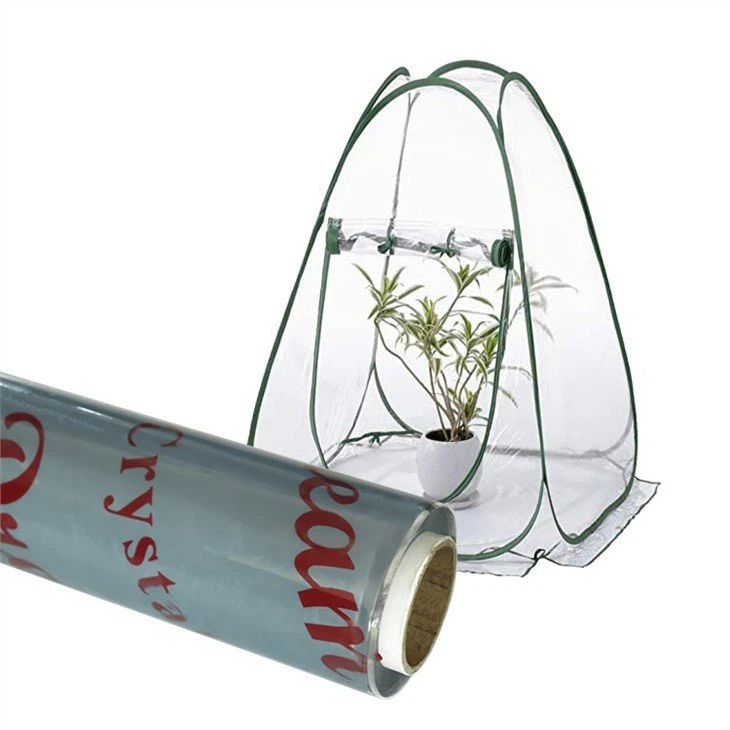
In agriculture, plastic films are used for various purposes, such as greenhouse covering and mulching. For greenhouse films, high tensile strength and tear resistance are essential. The film needs to withstand wind, rain, and the temperature changes inside the greenhouse. A film with good elongation at break can also withstand expansion and contraction due to temperature variations without cracking.
Mulching films, on the other hand, need to be tough enough to resist being torn by farming equipment as well as the action of insects and rodents. The modulus of the film can also affect its ability to conform to the soil surface.
Industrial Applications
In industrial settings, plastic films are used for insulation, protection, and as a component in manufacturing processes. Insulation films need to be flexible enough to be installed easily around pipes and equipment, while also having high tensile strength to maintain their integrity over time. In manufacturing, films may be used as a release liner or a protective cover. Tear resistance is important in these applications to ensure that the film doesn't tear during handling or processing.
Factors Affecting Mechanical Properties
The mechanical properties of plastic film can be influenced by several factors. The type of polymer used is a major one. Different polymers have different inherent mechanical properties. For example, polyethylene is known for its flexibility and good elongation at break, while polypropylene often has higher stiffness and tensile strength.
The manufacturing process also plays a role. Extrusion, casting, and blowing are common methods of making plastic film, and each process can affect the film's mechanical properties. For instance, the orientation of the polymer molecules during the manufacturing process can impact the tensile strength and tear resistance of the film.
Additives can also be used to modify the mechanical properties of plastic film. For example, adding a lubricant can improve the film's flexibility, while adding a reinforcing agent can increase its tensile strength.
Choosing the Right Plastic Film Based on Mechanical Properties
As a plastic film supplier, I understand that choosing the right film for your application is crucial. You need to consider the specific mechanical properties required for your product. Sit down and thoroughly assess your needs. If it's packaging for lightweight items, a film with moderate tensile strength and high flexibility might be sufficient. But for heavy - duty applications, you'll need a film with high tensile strength and excellent tear resistance.
Don't hesitate to reach out and ask for samples. We're more than happy to provide you with samples of our different plastic films so you can test their mechanical properties in your real - world applications. This hands - on approach will give you a better understanding of which film is the right fit for you.
Conclusion
In conclusion, mechanical properties are the backbone of plastic film performance. Understanding how tensile strength, elongation at break, tear resistance, and modulus work can help you choose the right plastic film for your specific needs. Whether it's for packaging, agriculture, or industrial applications, the right mechanical properties can make your product more durable, reliable, and appealing.
If you're in the market for high - quality plastic film and need guidance on choosing the right one based on mechanical properties, we're here to help. Get in touch with us to start a conversation about your requirements. We'll work closely with you to find the perfect plastic film solution for your business.
References
Brown, J. (2018). "The Science of Plastic Films: Mechanical Properties and Applications". Plastics Research Journal.
Green, M. (2019). "Optimizing Mechanical Properties of Plastic Films for Packaging". Packaging Innovations Magazine.