

Can Static Film be used in healthcare facilities?
Jan 15, 2026
Hey there! As a supplier of Static Film, I've been getting a lot of questions lately about whether static film can be used in healthcare facilities. So, I thought I'd take a deep dive into this topic and share my insights with you.
First off, let's talk about what static film is. Static film, also known as Static Plastic Film, is a type of plastic film that uses static electricity to adhere to surfaces. It doesn't require any adhesives, which means it can be easily removed without leaving any residue behind. This makes it a popular choice for protecting surfaces during construction, transportation, or even in everyday use.
Now, let's get to the big question: Can static film be used in healthcare facilities? The answer is a resounding yes! There are several reasons why static film can be a great addition to healthcare settings.
Hygiene and Infection Control
One of the primary concerns in healthcare facilities is maintaining a clean and hygienic environment to prevent the spread of infections. Static film can play a crucial role in this regard. Since it adheres to surfaces without the need for adhesives, it creates a smooth, seamless barrier that is easy to clean and disinfect. This helps to reduce the number of potential hiding places for bacteria and other pathogens.
For example, in patient rooms, static film can be applied to high-touch surfaces such as bedside tables, control panels, and door handles. These surfaces are frequently touched by patients, visitors, and healthcare staff, making them prime targets for contamination. By covering them with static film, you can easily wipe down the surface with a disinfectant, removing any germs that may have accumulated.
Moreover, Electronic Surface Protective Film can be used to protect sensitive electronic equipment in healthcare facilities, such as monitors, keyboards, and medical devices. These devices are often difficult to clean thoroughly, but with a protective film in place, you can simply remove and replace the film when it becomes dirty, ensuring that the equipment remains germ-free.
Protection of Surfaces
Healthcare facilities are busy places, and surfaces are constantly being subjected to wear and tear. Static film can help to protect these surfaces from scratches, scuffs, and other damage. This is particularly important for expensive or delicate surfaces, such as countertops, flooring, and medical equipment.
In operating rooms, for instance, static film can be used to protect the surgical table and other equipment from damage during procedures. The film acts as a buffer, absorbing the impact of any tools or instruments that may come into contact with the surface. This not only extends the lifespan of the equipment but also reduces the need for costly repairs or replacements.
Similarly, in waiting areas and corridors, static film can be applied to the walls and floors to protect them from scratches and dents caused by furniture, wheelchairs, and other moving objects. This helps to keep the facility looking clean and professional, which is important for creating a positive impression on patients and visitors.
Anti-Static Properties
In healthcare facilities, static electricity can be a major problem. It can cause dust and other particles to cling to surfaces, which can not only make the facility look dirty but also pose a risk to patients with respiratory problems. Static film, however, has anti-static properties that help to reduce the build-up of static electricity.
This is especially important in areas where sensitive electronic equipment is used, such as laboratories and imaging departments. Static electricity can interfere with the operation of these devices, leading to inaccurate readings or even equipment failure. By using static film, you can help to minimize the risk of static-related problems and ensure the smooth operation of the equipment.
ESD Protection
In addition to its anti-static properties, some static films, such as Attached ESD Film, are specifically designed to provide electrostatic discharge (ESD) protection. ESD can be a serious concern in healthcare facilities, particularly in areas where flammable gases or oxygen are present.
ESD can occur when two objects with different electrical charges come into contact, causing a sudden discharge of electricity. This can create a spark, which can ignite flammable gases or oxygen, leading to a fire or explosion. By using ESD-protective static film, you can help to prevent the build-up of static electricity and reduce the risk of ESD-related incidents.
Cost-Effectiveness
Another advantage of using static film in healthcare facilities is its cost-effectiveness. Compared to other types of surface protection, such as laminates or coatings, static film is relatively inexpensive. It can also be easily installed and removed, which means that you can quickly replace it when it becomes dirty or damaged, without having to incur the cost of professional installation.
In addition, by protecting surfaces from damage, static film can help to extend their lifespan, reducing the need for costly repairs or replacements. This can result in significant cost savings over time, making it a smart investment for healthcare facilities.
Challenges and Considerations
While static film offers many benefits for healthcare facilities, there are also some challenges and considerations that need to be taken into account.
One of the main challenges is ensuring that the film is properly installed. If the film is not applied correctly, it may not adhere properly to the surface, which can reduce its effectiveness. It's important to follow the manufacturer's instructions carefully when installing the film, and to use the appropriate tools and techniques.
Another consideration is the compatibility of the film with different surfaces. Some surfaces may be too porous or uneven for the film to adhere properly, while others may react with the film, causing it to discolor or degrade. Before applying the film to a surface, it's important to test it in a small, inconspicuous area to ensure that it is compatible.
Finally, it's important to choose the right type of static film for the specific application. There are many different types of static film available, each with its own unique properties and characteristics. For example, some films are designed for use on smooth, non-porous surfaces, while others are better suited for rough or textured surfaces. It's important to choose a film that is appropriate for the surface and the environment in which it will be used.
Conclusion
In conclusion, static film can be a valuable asset in healthcare facilities. It offers a range of benefits, including hygiene and infection control, surface protection, anti-static properties, ESD protection, and cost-effectiveness. However, it's important to choose the right type of film and to ensure that it is properly installed and maintained.
If you're interested in learning more about how static film can be used in your healthcare facility, or if you'd like to discuss your specific needs and requirements, please don't hesitate to get in touch. I'd be happy to provide you with more information and to help you find the right solution for your facility.

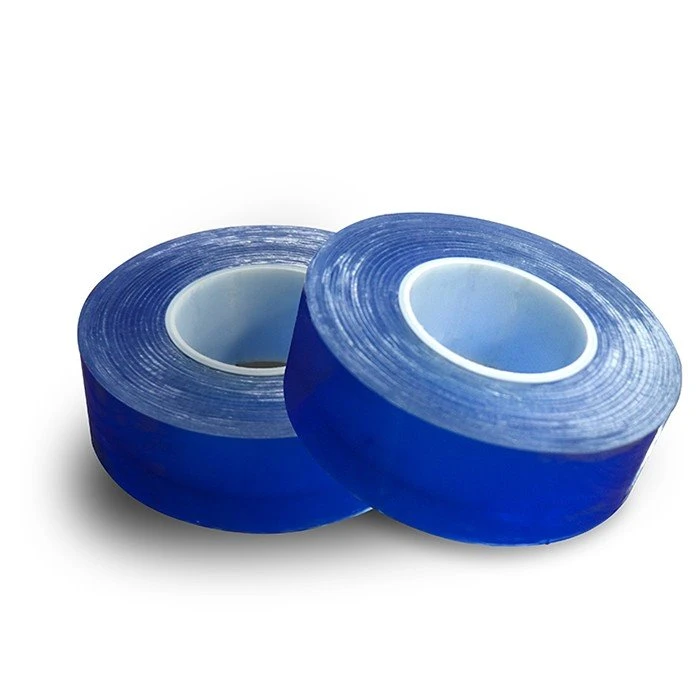
Let's work together to create a cleaner, safer, and more efficient healthcare environment!
References
- "Infection Prevention and Control in Healthcare Facilities." Centers for Disease Control and Prevention.
- "Static Electricity in Healthcare: Causes, Effects, and Solutions." Journal of Healthcare Engineering.
- "Surface Protection in Healthcare: A Review of Current Practices and Technologies." International Journal of Healthcare Management.